
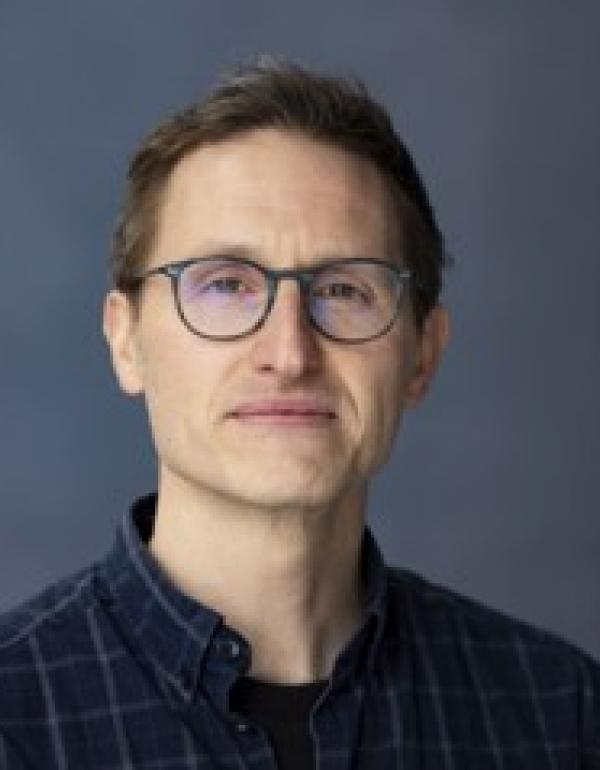
Jordi Carreras-Puigvert is Chief Scientific Officer & co-founder of pixlbio and an Associate Professor at Uppsala University. His work centers on image-based phenomics and AI for drug discovery, including co-authoring a 2024 field review on Cell Painting. Before pixlbio, he led the CBCS Uppsala unit at SciLifeLab, where he helped establish Cell Painting as a national service, and contributed to the pharmb.io program advancing high-content imaging and automation. His research and collaborations span mechanism-of-action prediction, toxicity profiling, and data-driven screening, bridging advanced microscopy with machine learning to accelerate therapeutic discovery.
OpenTox Virtual Conference
Structurally similar, clinically different: Combining human iPSC-derived Hepatocytes and AI-driven Phenomics to identify DILI liabilities in a blinded compound panel
Background: Drug-induced liver injury (DILI) remains a major cause of clinical attrition and post-marketing drug withdrawal, highlighting the need for predictive New Approach Methodologies. As part of an initiative led by the 3Rs Collaboration and the FDA Center for Drug Evaluation and Research, eight commercially available liver microphysiological systems were evaluated using the same blinded compound panel. The panel comprised four matched pairs, each containing a High-DILI compound and a structurally related Low-DILI analogue.
Methods: pixlbio’s iPSC-derived hepatocyte platform, pixHep, was exposed to each blinded compound at 0.01x, 0.1x, 1x and 10x human Cmax for 10 days, with dosing refreshed every 48 hours. Hepatotoxicity was assessed using five complementary endpoints: morphology, albumin secretion, AST release, ATP content and CYP3A4 activity. High-content Cell Painting matched with AI analysis was performed in parallel to determine whether unbiased morphological fingerprints aligned with the orthogonal functional liver assays.
Results: Following unblinding, pixHep correctly distinguished the hepatotoxic compound from its structurally related Low-DILI analogue in all four matched pairs: troglitazone versus pioglitazone, tolcapone versus entacapone, lumiracoxib versus celecoxib, and trovafloxacin versus levofloxacin. High-DILI compounds produced distinct combinations of hepatocellular damage across the functional endpoints, whereas the matched Low-DILI analogues remained largely unaffected or demonstrated CYP3A4 induction without evidence of injury. AI-driven Cell Painting analysis independently resolved the same matched pairs while generating rich morphological fingerprints that were concordant with the orthogonal functional endpoints.
Conclusions: In a rigorous blinded evaluation, human iPSC-derived pixHep distinguished clinically hepatotoxic drugs from closely related Low-DILI analogues across all four matched pairs. Combining physiologically relevant hepatocyte assays with scalable AI-driven phenomics analysis provides complementary and concordant evidence for compound discrimination, supporting a human-relevant and animal-free framework for preclinical liver safety assessment.